
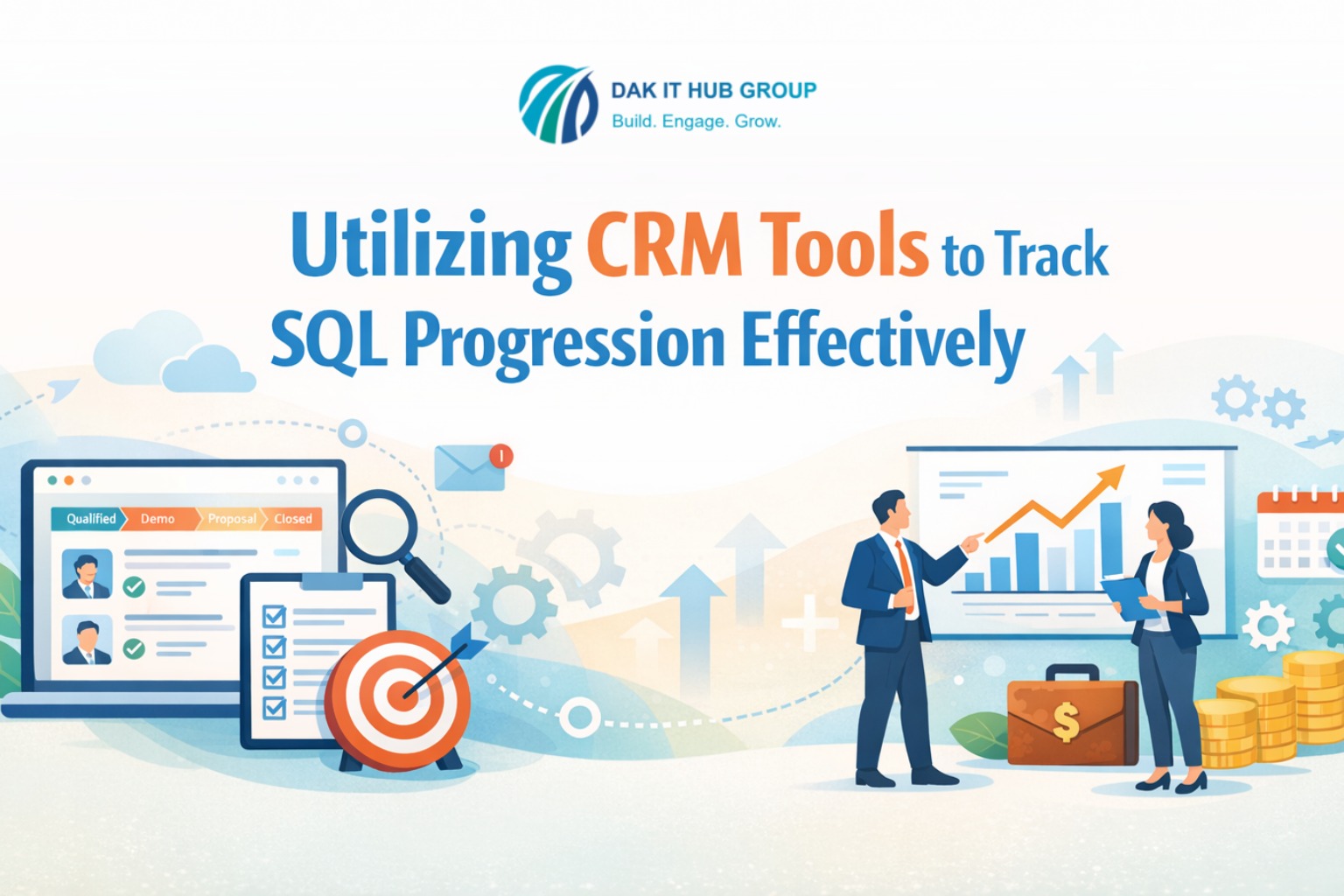
In B2B sales, generating leads is only the beginning. The real challenge lies in managing those leads effectively and converting them into customers. This is where Sales Qualified Leads (SQLs) play a crucial role. SQLs are prospects who have been vetted and are ready for direct sales engagement. However, without proper tracking and management, even high-quality SQLs can slip through the cracks.
Customer Relationship Management (CRM) tools help businesses track SQL progression, improve visibility into the sales pipeline, and ensure that no opportunity is missed. By using CRM systems effectively, sales and marketing teams can align their efforts, prioritize the right leads, and increase conversion rates.
In this blog, we will explore how CRM tools can be used to track SQL progression effectively and improve overall sales performance.
Understanding SQL Progression
SQL progression refers to the journey a qualified lead takes from initial sales engagement to final conversion. This journey typically includes stages such as:
- Initial contact or discovery
- Needs assessment
- Product demonstration or presentation
- Proposal and negotiation
- Closing the deal
Tracking this progression helps sales teams understand where each lead stands in the pipeline and what actions are needed to move them forward.
Centralizing Lead Data in CRM
One of the biggest advantages of CRM tools is the ability to store all lead information in one place. Instead of relying on spreadsheets or scattered notes, sales teams can access detailed profiles of each SQL.
CRM systems can store:
- Contact details and company information
- Communication history (emails, calls, meetings)
- Notes from sales interactions
- Lead source and campaign data
This centralized view ensures that every team member has access to the same information, improving collaboration and reducing confusion.
Defining Clear Sales Stages
To track SQL progression effectively, it is important to define clear and consistent sales stages within the CRM system.
Each stage should represent a specific step in the buying journey. For example:
- Qualified Lead
- Discovery Completed
- Demo Scheduled
- Proposal Sent
- Negotiation
- Closed Won / Closed Lost
By assigning SQLs to these stages, sales teams can easily monitor where each lead stands and identify bottlenecks in the process.
Automating Workflow and Follow-Ups
CRM tools allow businesses to automate routine tasks, ensuring that no lead is neglected.
Automation features can include:
- Follow-up reminders for sales representatives
- Automated email sequences
- Task assignments based on lead status
- Notifications for important updates
For example, if an SQL has not been contacted within a certain period, the CRM can trigger a reminder. This helps sales teams stay proactive and maintain consistent communication with prospects.
Tracking Engagement and Activity
Understanding how SQLs interact with your business is key to moving them through the sales funnel. CRM tools provide insights into lead engagement by tracking activities such as:
- Email opens and responses
- Call logs and meeting schedules
- Website visits and content downloads
These insights help sales representatives understand the level of interest shown by each prospect. Highly engaged leads can be prioritized, while less active ones may require additional nurturing.
Using Data for Better Decision-Making
CRM systems provide valuable data and analytics that help businesses make informed decisions. By analyzing SQL progression, companies can identify patterns and trends.
For example:
- Which stages have the highest drop-off rates?
- How long does it take to convert an SQL into a customer?
- Which campaigns generate the most qualified leads?
These insights allow businesses to refine their sales strategies, improve messaging, and optimize their lead generation efforts.
Enhancing Sales and Marketing Alignment
CRM tools play a critical role in aligning sales and marketing teams. Marketing teams generate leads, while sales teams qualify and convert them.
With a shared CRM system:
- Marketing teams can track how their leads perform
- Sales teams can provide feedback on lead quality
- Both teams can work together to improve targeting and messaging
This alignment ensures a smoother transition from lead generation to sales conversion.
Improving Forecasting and Pipeline Visibility
Accurate forecasting is essential for business planning. CRM tools help sales leaders gain a clear view of the pipeline and predict future revenue.
By tracking SQL progression, businesses can:
- Estimate deal closure timelines
- Identify high-value opportunities
- Allocate resources more effectively
Better visibility into the pipeline leads to more accurate forecasts and improved decision-making.
Continuous Optimization of Sales Processes
Tracking SQL progression is not a one-time activity. Businesses should continuously monitor and optimize their sales processes based on CRM data.
Regular reviews can help:
- Identify areas where leads are getting stuck
- Improve follow-up strategies
- Enhance sales training and performance
By continuously refining their approach, businesses can improve conversion rates and achieve better results.
How DAK IT HUB GROUP Supports SQL Lead Generation
While CRM tools are essential for tracking SQL progression, the quality of leads entering the system is equally important. This is where DAK IT HUB GROUP plays a key role.
DAK IT HUB GROUP helps sales and marketing professionals generate high-quality SQLs through its B2B lead generation services. By leveraging targeted email marketing campaigns and strategic tele-calling outreach, the company connects businesses with decision-makers who have genuine interest, clear needs, and the potential to convert.
This ensures that the SQLs entering your CRM are well-qualified and ready for meaningful sales conversations. With better lead quality and structured tracking through CRM tools, businesses can improve their sales efficiency, strengthen their pipeline, and achieve consistent growth.

0 Comments